Do you practice breathing exercises, or pay attention to your breathing as part of your meditation practice? Have you been told to breathe through your nostrils, into your belly, or to slow down your breathing? There are dozens of breathing methods to choose from, all promising improved health and increased oxygenation of the blood.
But which method is the right one, and why do we need to do breathing exercises in the first place? The answer, as I will show in this article, is that the body is naturally designed to ensure full and efficient breathing, and almost all of us, by the time we are adults, have interfered with this natural process. We can practice methods aimed at oxygenating the blood or getting more air into the lungs, but such methods—whatever they may do to temporarily improve our breathing—fail to address the underlying problem. The real solution—and a much more comprehensive way to approach the problem—is to understand how we are designed to breathe, how we interfere with breathing, and how to breathe naturally and fully based on real knowledge about the body and how it works.
What Is Breathing?

Fig. 1. The rib-cage and diaphragm.
Breathing takes place when we expand the space within the thoracic cavity. The thoracic cavity is formed by the rib cage and dome-shaped diaphragm, which forms the lower boundary of the thoracic cavity (Fig. 1). When we raise the ribs and lower or flatten the diaphragm, the cavity expands and air rushes into the lungs; when we lower the ribs and the diaphragm relaxes to its dome shape, air rushes out (Fig. 2).

Fig. 2. The transit of the diaphragm during breathing.
None of these movements, as we know, is voluntary. As a vital life function, breathing occurs rhythmically and automatically without having to be willed or controlled in any way. It is possible, when we speak or hold our breath, to momentarily control our breathing. But the automatic nature of breathing asserts itself very quickly if we deny the brain oxygen for too long. It is also interesting to note that, perhaps second to the heart, the diaphragm, whose action is so essential to breathing, is the hardest working muscle in the body and will rhythmically contract every few seconds, every day, until we die.
But taking air into our lungs by moving the ribs and diaphragm is only part of what is involved in breathing. Air breathed into the lungs conveys oxygen molecules to the blood, where it is delivered to cells throughout the body. This sounds simple enough, until you consider that there are upwards of 30 trillion cells in the human body. When we take a breath, all of them are receiving oxygen and, when we breathe out, waste from all these cells is expelled from the lungs. This exchange is taking place every few seconds, all day long.

Fig. 3. The transfer of oxygen and carbon dioxide in the blood, known as “internal respiration.”
Breathing, then, takes place at two levels—the level at which air is taken into the lungs in order to oxygenate the blood, sometimes called “external respiration,” and the level at which oxygen in the blood is transferred to cells throughout the body, called “internal respiration” (Fig. 3). Once the oxygen molecules are delivered to the cells, they play a key role in the breakdown of food into fuel; this process, called “cellular respiration,” happens within the cell itself. When we consider breathing, we usually think of the external part of this equation, forgetting that we breathe not simply to get air into our lungs but to supply all the cells that make up our bodily tissues with oxygen in order for cellular respiration to take place.
Why Do We Need Breathing Exercises?
It makes sense, given the importance of breathing to our bodily tissues and organs, that we should want to increase the efficiency with which we process oxygen by practicing some form of breathing. Extending the inhalation, for instance, allows more time to oxygenate the blood. If you tend to breathe heavily through your mouth, learning to use your nostrils helps to process the air and deliver oxygen to the blood more efficiently.
But none of these strategies is going to address the most fundamental problem of all—namely, why we need to do breathing exercises in the first place. Young children breathe beautifully and do not need to perform breathing exercises. Their backs work perfectly, their ribs are open and flexible, they can vocalize with the effortless power of opera singers, and their voices are completely free of strain. Adults, in contrast, present a much bleaker picture. As we get older, we become increasingly sedentary and, by our twenties and often much earlier, we have interfered with the full and flexible support of the ribs and generally interfered with the full and unimpeded movements of ribs and diaphragm. To address this problem, we need to pay attention to how we are designed to breathe naturally and how to restore natural berthing when it has become interfered with.
The Key to Breathing
Breathing in general is dependent on our upright posture. In order to maintain upright posture, various muscles have to maintain the support of the trunk and to keep it from falling over. This is the general view of posture, which is seen as an extension of the usual ability to muscles to contract. But posture is not just about not falling over or maintaining the support of body parts. In order to support ourselves against gravity, we must lengthen upward and, in order to do this, muscles must act on body parts in such a way that they can support the parts while at the same time lengthening between parts. Imagine if, to support the head, the neck muscles simply contracted. Not only would this pull the head back—which would certainly not be a successful strategy for supporting the head—but the body in general would not be able to maintain effortless and efficient support against gravity. Instead, the head is weighted forward in such a way that the neck muscles are stretched and, in response to this, maintain the support of the head (Fig. 4).

Fig. 4. This toddler exhibits healthy head balance.
The same principle applies to the spine and trunk. In order to support the trunk, muscles must act upon the vertebrae and ribs; but if they simply pulled, the whole thing would collapse to the ground. Instead, muscles are stretched or suspended between body parts and, in response, pull back, thus maintaining support of the body as a whole, which lengthens upward against gravity with a minimum of effort (Fig. 5).

Fig. 5. The postural mechanism.
So how does this upright system relate to breathing? We saw that, in a young child, the head and trunk are naturally and fully supported and that, in this context, the ribs and diaphragm can move freely, allowing breathing to take place efficiently and fully. All this is happening because the body is properly lengthening and, in this context, the thorax has its full capacity, the ribs can move freely, and the diaphragm can undergo its full excursion (Fig. 6). When we interfere with this system, the support and flexible movements of the ribs and diaphragm will be compromised. Breathing will be impaired, and no breathing exercise can fix this because exercises can only manipulate specific elements and cannot bring about or restore the general conditions upon which breathing depends.
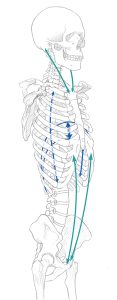
Fig. 6. Breathing and the musculoskeletal system.
Notice that, when we speak of the body as the main agent or instrument of breathing, we are no longer focused on breathing itself but on the muscular activity and support that makes breathing possible. There is a definite reason for this. Breathing—the tidal flow of air into and out of our lungs—takes place as the indirect result of bodily movements. If something is wrong with our breathing, this means that the bodily movements upon which breathing depends are interfered with. When we attempt to control or manipulate our breathing, we are consciously altering—and perhaps temporarily improving—the natural tidal flow by controlling specific muscles, but we haven’t actually addressed this interference and may even increase it.
What all of this means, in practical terms, is that to improve our breathing we must focus, not on breathing but on the instrument which makes breathing possible. Incredibly, there is almost no discussion of this fact in the many instructional approaches to breathing, which focus almost entirely on the specifics of how to breathe more fully, or the benefits of a particular type of breathing, and omit entirely any discussion of the key components upon which all these factors depend—namely, the efficient working of the musculoskeletal system as a whole. The same applies to the science that has been done on the subject, which describes the benefits of breathing exercises but fails to look at the actual system upon which breathing depends. To breathe efficiently, we must focus not on breathing itself but on the body as a whole—how it works, how to restore its natural functioning, and how we interfere with it when at rest, in activity, and when vocalizing.
Nostril Breathing
Learning to breathe through the nostrils is another component of breathing that is related to the musculoskeletal system as a whole. Because most of us spend a great deal of time in sedentary occupations, we tend to breathe habitually through the mouth, collapsing the palate and generally interfering with natural breathing. Learning to breathe through your nostrils is a good first step in addressing this tendency. As a dedicated passageway for taking in air, the nasal passages are specially adapted to filter out foreign particles and to moisten and warm the air. Breathing through the nostrils also slows down the flow of air into the lungs, which enhances oxygenation of the blood (Fig. 7).

Fig. 7. The nasal passage is designed for breathing.
But mouth breathing, like the act of breathing in general, is directly related to upright posture and is symptomatic of an interference in this global system. The muscles of the throat and palate are directly dependent on upright support, and breathing through the mouth is an indication that we are collapsing and misusing this system. When upright support is restored—and when we learn to breathe freely through the nostrils as part of this improved condition—we can establish normal nostril breathing as a positive and healthful habit. Breathing through the nostrils becomes much more than an exercise or daily practice but part of using the body in a more coordinated way in all our activities.
Types of Breathing
A final misconception about breathing is that there is a right and wrong way to breathe. This claim is based on the notion that there are “types” of breathing. Breathing with the diaphragm is “abdominal” breathing; breathing with the ribs is “costal” breathing. (There’s a third type, “clavicular” breathing, which refers to forced inhalation and is not relevant to normal breathing.) This theory arose from identifying the anatomical components involved in breathing: the diaphragm (which was thought to be the primary muscle of breathing), the ribs, and other accessory muscles. Lifting the chest was seen as harmful, and it was thought that we should focus on allowing the diaphragm to move more fully by breathing into the belly.
But abdominal breathing is a questionable notion at best. `1Try breathing without using your ribs, and it becomes obvious that the ribs are as important to breathing as the diaphragm. The ribs are not only essential to the expansion and contraction of the intra-thoracic cavity but part of how we vocalize, how we hold our breath, and how we modulate volume when we sing or speak. Without the expansive, free movements of the ribs, we cannot restore full intra-thoracic capacity and breathing cannot take place fully. All the parts of the body participate in full and natural breathing, and there is no correct way to breathe except the way nature intended.
A Holistic Model of Breathing
To be complete, a model of breathing must address the holistic working of the musculoskeletal system upon which breathing depends, relate this to actual breathing, and show how it is linked with vocalization. One of the benefits of this model is that it gives us the basis for ongoing awareness of breathing. When you perform breathing exercises, you may increase the oxygenation of your blood—for a minute or two. But we interfere with breathing all day long and, once we return to normal activity, we will return to our habitual way of breathing. To make a real difference in how we breathe, we must produce the natural conditions upon which breathing depends and learn to maintain this in our daily activities. Attention to the musculoskeletal system makes this possible, creating the foundation for heightened kinesthetic awareness and control in all our activities.
Another benefit of this model is that it provides a positive approach to breathing and health. Breathing methods may produce benefits to one’s health, but they presuppose that something is wrong and are in this sense therapeutic. We are in fact designed to breathe through our nostrils, to oxygenate the blood fully, and to breathe fully and naturally. The real issue is not what method to practice but to understand the foundation for healthful breathing based on knowledge of our bodily design and the potential, through learning, to use it consciously. This is a positive approach that can be applied to all our activities as a matter of ongoing awareness and learning. The body as the instrument of breathing—and how we use it consciously in daily life—is the basis for healthful breathing. This essential foundation has been omitted from approaches that focus on specific benefits rather than the study of our bodily instrument and how it works.
References:
Your Body, Your Voice (North Atlantic Books, 2014)
Anatomy of the Voice (North Atlantic Books, 2018)
Breathing and the Voice (Day Street Press, 1997)